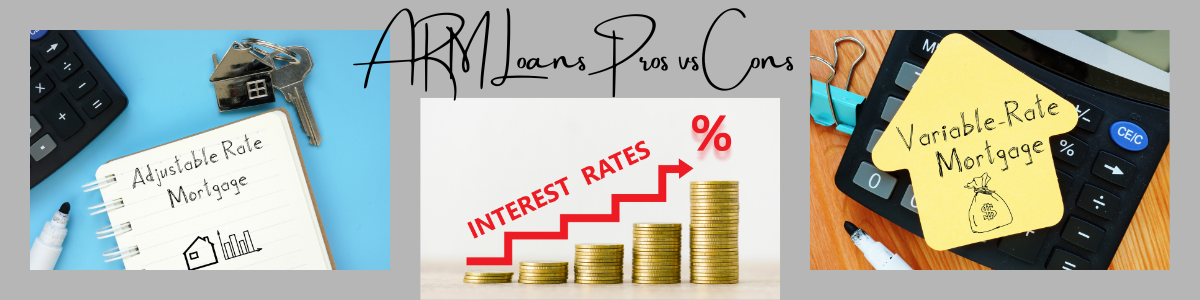
The Pros and Cons of Adjustable-Rate Mortgages: Is It Right for You? Read this, and consider all the pros and cons while making your decision. The economy at this point is not stable or predictable.
 If you’re on the hunt for a mortgage, you’ve likely come across adjustable-rate mortgages (ARMs) as an option. Unlike fixed-rate mortgages, ARMs come with interest rates that fluctuate over time.
While this can be beneficial in some situations, it’s important to weigh the pros and cons before making a decision. On one hand, ARMs can offer lower initial interest rates and lower monthly payments, making them an attractive option for those on a tight budget. However, the unpredictability of interest rate fluctuations can leave homeowners vulnerable to unexpected increases in their monthly payments.
Additionally, the potential savings from ARMs may not outweigh the risk for those who prefer the stability of a fixed-rate mortgage. In this article, we’ll explore the pros and cons of adjustable-rate mortgages so you can decide if it’s the right choice for you.
What Is An Adjustable-Rate Mortgage?
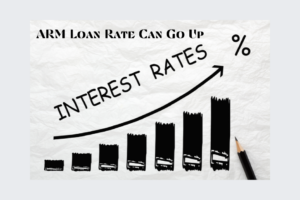 An adjustable-rate mortgage is a type of home loan where the interest rate is not fixed and can change during the loan’s term. With an adjustable-rate mortgage, the initial interest rate is typically lower than that of a fixed-rate mortgage, but it can increase or decrease over time.
The interest rate for an ARM is usually tied to an index, such as the prime rate or the London Interbank Offered Rate (LIBOR). When the index changes, the ARM interest rate will adjust accordingly.
There are several types of ARMs, including hybrid ARMs and interest-only ARMs. Hybrid ARMs have a fixed interest rate for a certain period, usually 5, 7, or 10 years, before the interest rate becomes adjustable. Interest-only ARMs allow borrowers to pay only the interest on the loan for a certain period, typically 5 or 10 years, before they must start paying both principal and interest.
Pros Of An Adjustable-Rate Mortgage
One of the main advantages of an adjustable-rate mortgage is that it often comes with a lower initial interest rate than a fixed-rate mortgage. This can make it an attractive option for those who want to keep their monthly payments low. In addition, if interest rates decrease over time, borrowers with an ARM may see their monthly payments decrease as well.
Another advantage of ARMs is that they can be a good option for those who don’t plan to stay in their homes for long. If you know you’ll be moving in a few years, an ARM can help you save money on interest while you’re in the home. This is because you’ll be paying a lower interest rate for the initial period of the loan, and you’ll be able to sell the home before the interest rate adjusts.
Finally, some borrowers may prefer the flexibility of an ARM. With a fixed-rate mortgage, the interest rate is set for the entire term of the loan, which can be 15, 20, or 30 years. With an ARM, the interest rate can change over time, which can be beneficial if you expect your income to increase in the future.
Cons of Adjustable-Rate Mortgages
While there are some advantages to ARMs, there are also several disadvantages to consider. One of the biggest drawbacks of an ARM is the unpredictability of interest rate fluctuations. If interest rates increase, your monthly payment can increase as well, which can make it difficult to budget for your mortgage payment. In some cases, the increase in your monthly payment can be significant, which can make it difficult to afford your mortgage.
Another disadvantage of an ARM is that it can be difficult to refinance if interest rates increase. If you have an ARM and interest rates rise, you may find it difficult to refinance your mortgage at a lower rate. This can leave you stuck with a higher mortgage payment, which can be difficult to manage.
Finally, some borrowers may find the complexity of ARMs to be a disadvantage. With a fixed-rate mortgage, the interest rate is set for the entire term of the loan, which makes it easy to budget for your mortgage payment. With an ARM, the interest rate can change over time, which can make it difficult to budget for your mortgage payment.
Who Should Consider An Adjustable-Rate Mortgage (ARM)?
An adjustable-rate mortgage can be a good option for some borrowers, but it’s not the right choice for everyone. If you’re considering an ARM, there are a few things to keep in mind.
First, you should consider how long you plan to stay in your home. If you plan to sell your home before the interest rate adjusts, an ARM can be a good option. However, if you plan to stay in your home for a long time, a fixed-rate mortgage may be a better choice.
Second, you should consider your budget. If you’re on a tight budget and need to keep your monthly payments low, an ARM can be a good option. However, if you prefer the stability of a fixed-rate mortgage, an ARM may not be the right choice.
Finally, you should consider your risk tolerance. If you’re comfortable with the uncertainty of interest rate fluctuations, an ARM can be a good option. However, if you prefer the stability of a fixed-rate mortgage, an ARM may not be the right choice.
How to Decide if an Adjustable-Rate Mortgage is Right For You
If you’re considering an adjustable-rate mortgage, there are a few steps you can take to decide if it’s the right choice for you.
First, you should research the current interest rates for ARMs and fixed-rate mortgages. This will give you an idea of what your monthly payments will be for each type of loan.
Second, you should calculate your budget to determine how much you can afford to spend on your monthly mortgage payment. Make sure to include any potential increases in your monthly payment if you choose an ARM.
Finally, you should speak with a mortgage professional to get their advice on which type of loan is right for you. They can help you determine if an ARM is the right choice based on your financial situation and other factors.
Tips For Managing An Adjustable-Rate Mortgage
If you decide to go with an ARM mortgage, there are a few tips you can follow to manage your mortgage effectively.
- First, make sure to budget for potential increases in your monthly payment. This will help you avoid any surprises if your interest rate increases.
- Second, consider making extra payments towards your principal to reduce your overall interest costs.
- Finally, keep an eye on interest rates and be prepared to refinance if rates decrease. This can help you save money on your mortgage over time.
Common Misconceptions About ARM Loans
There are several misconceptions about adjustable-rate mortgages that can make borrowers hesitant to choose this type of loan. One of the biggest misconceptions is that the interest rate will always increase over time. While it’s true that the interest rate can increase, it can also decrease if interest rates decrease.
Another common misconception is that ARMs are only for those with low credit scores. In reality, ARMs can be a good option for anyone who wants to keep their monthly payments low.
Finally, some borrowers may believe that ARMs are too complicated to understand. While there are some complexities to ARMs, a mortgage professional can help you understand how the loan works and what your potential monthly payments will be.
Alternatives to ARM Mortgages With Rates That Change
If you decide that an ARM loan is not the right choice for you, there are several alternatives to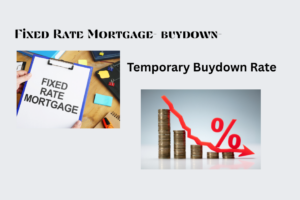 consider.
The most common alternative is a fixed-rate mortgage, where the interest rate is set for the entire term of the loan. This can provide stability for your monthly payments, but it may come with a higher interest rate.
Additionally, a buy-down interest rate loan:
- Benefits: Funds are placed in an escrow account to subsidize your payments. For example, on a 2-1 buydown, your interest rate is 2% below the note rate in the first year and 1% below in the second year, before the rate becomes a standard fixed rate in year three.
- Trade-offs: Requires a lump sum of cash to fund the escrow account upfront, which is typically negotiated as a seller concession during the home purchase.
Another alternative is a government-backed loan, such as an FHA loan or a VA loan. These loans often have lower down payment requirements and may be easier to qualify for than a traditional mortgage.
Finally, you may consider a hybrid loan, which combines the features of an ARM and a fixed-rate mortgage. This can provide some stability for your monthly payments while still offering the potential for lower interest rates.
Conclusion
Choosing the right mortgage is an important decision that can have a big impact on your finances. While an adjustable-rate mortgage can be a good option for some borrowers, it’s important to weigh the pros and cons before making a decision.
By considering your budget, your tolerance for risk, and your long-term plans for homeownership, you can determine if an ARM is the right choice for you. And if you decide that an ARM is not the right choice, there are several alternatives to consider that can still help you achieve your homeownership goals.
Mortgages: A Guide For Conventional Mortgage Loans