

You’ve Made Financial Mistakes?- You Don’t Have to Be a Guru To Get Back to Financial Balance
Let’s face it, most of us have made financial mistakes.
Maybe you accumulated more debt than you intended. Perhaps you spent too much on things you didn’t truly need, failed to save for emergencies, missed a payment, or made a financial decision that you later regretted. If so, you’re not alone.
The reality is that financial mistakes are a part of life. They happen to people of all ages, income levels, and backgrounds. Unfortunately, many people become discouraged after making money mistakes and begin to believe that financial success is only for experts, investors, or people who seem to have everything figured out.
Nothing could be further from the truth.
You don’t have to be a financial guru to find financial balance. You don’t need a degree in finance, a six-figure income, or perfect money habits. What you need is a willingness to learn, make adjustments, and keep moving forward one step at a time.
The Truth About Financial Mistakes
 One of the biggest misconceptions about personal finance is that financially successful people never make mistakes. The truth is quite the opposite.
Many people who are financially secure today have experienced setbacks along the way. They may have accumulated debt, made poor investment decisions, spent beyond their means, or faced unexpected hardships that disrupted their finances.
Life happens. Job losses, medical expenses, divorce, economic downturns, family emergencies, and countless other situations can create financial challenges that even the most careful planners cannot always avoid.
Financial mistakes do not define your future unless you allow them to.
The important question is not whether you’ve made mistakes. The important question is: What are you going to do next?
Stop Beating Yourself Up-Make the Decision to Recover
 Many people carry guilt and regret about financial decisions they made years ago, however, they wallow in their mistakes instead of making the decision to recover.
- Perhaps you wish you had started saving sooner: start now.
- Maybe you regret taking on debt or purchasing something that stretched your budget too far: start paying them off with a minimum amount each month.
- You have a tendency to want too much, too soon: start now remembering that great things come to those who wait, plan well, and wisely.
While it’s natural to reflect on past mistakes, living in regret serves no useful purpose. You can, however, make better decisions today.
Financial balance begins when you stop focusing on what went wrong and start focusing on what can be improved moving forward.
Take an Honest Look at Where You Are
 One of the most powerful steps toward financial balance is simply facing reality and asking yourself questions and being honest with answers:
- What is your largest mistake?
- What have you forgotten to focus on?
- Do you realize that while you can make money; it is not how much you make, it is where and how you spend it?
Many people avoid reviewing their finances because they are afraid of what they might discover. They ignore account balances, avoid opening bills, and postpone creating a budget. Unfortunately, avoidance rarely improves a financial situation.
Instead, take an honest inventory of:
- Your monthly income
- Your monthly expenses
- Outstanding debts
- Savings accounts
- Retirement accounts
- Financial obligations
You don’t need perfection. You simply need a clear picture of where you stand. Financial clarity often reduces anxiety because it transforms uncertainty into information you can work with.
Create a Simple Spending Plan
 Read this post: How To Budget With Simple Solutions
- 50% for Needs: Housing, groceries, utilities, and insurance.
- 30% for Wants: Dining out, entertainment, and hobbies.
- 20% for Savings & Debt: Extra debt payments, retirement, and emergency funds
- Emergency Fund: Start by building a small starter fund, then aim for 3 to 6 months of living expenses tucked safely into a High-Yield Savings Account.
When building an emergency fund
One of the most common reasons people experience financial setbacks is the lack of emergency savings.
Life is unpredictable. Cars break down. Appliances fail. Medical expenses arise. Unexpected bills appear when we least expect them. Even a modest emergency fund can provide peace of mind and reduce the need to rely on credit cards or loans during difficult times.
Start small if necessary. The habit of saving is often more important than the initial amount.
- Retirement: If your employer matches contributions to a 401(k), always contribute enough to get that free money. If flummoxed by investment choices, look for a “target-date fund” that aligns with your estimated retirement year.
The word “budget” sometimes makes people uncomfortable. Perhaps a better term is a spending plan. A spending plan tells your money where to go instead of wondering where it went.
Start with the essentials:
- Housing
- Utilities
- Food
- Transportation
- Insurance
- Healthcare
Then evaluate discretionary spending and identify areas where adjustments can be made. Remember, the goal is not to eliminate every pleasure in life. The goal is to create a balance between today’s needs and tomorrow’s financial security.
People often forget that the best time to buy Life Insurance is while you are young, however, it is never too late to make sure your family is taken care of when needed.
Focus on Progress, Not Perfection
 One reason people give up on financial goals is because they expect immediate results. They create a budget, save for one month, or pay down a small amount of debt and become discouraged when their situation doesn’t improve overnight.
Financial progress is often slower than we would like. nHowever, small improvements made consistently can produce significant results over time.
Consider the impact of:
- Saving an extra $25 per week
- Paying a little more than the minimum payment on debt
- Reducing unnecessary subscriptions
- Building a small emergency fund
- Avoiding impulse purchases
These actions may seem small individually, but together they can create meaningful change.
Learn From Your Mistakes
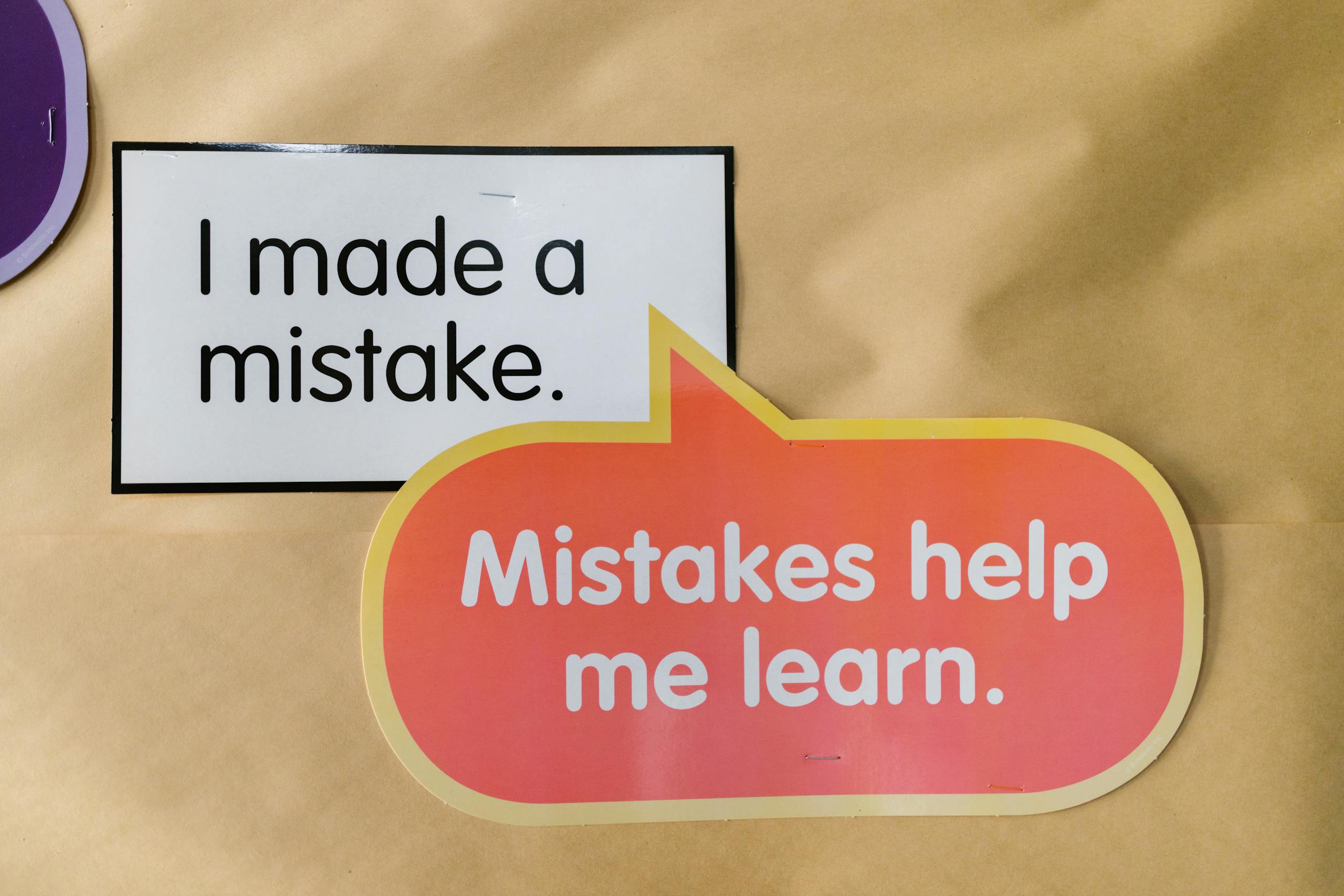 Every financial mistake contains a lesson. Instead of viewing mistakes as failures, view them as opportunities to gain wisdom.
Ask yourself:
- What led to the mistake?
- What warning signs did I overlook?
- What would I do differently next time?
- What habits need to change?
Some of life’s most valuable financial lessons come from personal experience. Mistakes can become stepping stones if you’re willing to learn from them.
Don’t Compare Yourself to Others
 In today’s world, it is easy to compare our financial situation to what we see online or hear from others. The problem is that appearances can be deceiving.
Some people who appear financially successful may be carrying significant debt. Others may have advantages, circumstances, or opportunities that differ from your own. Your financial journey is unique.
Focus on your progress rather than someone else’s perceived success. The goal is not to keep up with others. The goal is to improve your own financial well-being.
Financial Balance Is About More Than Money
Financial balance is not simply about accumulating wealth. It is also about reducing stress, improving decision-making, creating stability, and building confidence in your future.
Money should be a tool that helps support your goals and values—not a constant source of anxiety. Finding financial balance means developing healthy habits that allow you to live within your means while preparing for future opportunities and challenges.
A Lesson From My Years in Mortgage Lending
During my years in mortgage lending and underwriting, I reviewed thousands of loan applications from people in all types of financial situations. One thing became very clear: financial mistakes are incredibly common.
I saw people with high incomes struggle with debt. I saw individuals with modest incomes manage their finances exceptionally well. I witnessed financial setbacks caused by illness, divorce, job loss, and circumstances beyond a person’s control.
The people who eventually improved their situation were not always the smartest or the wealthiest. They were the ones who refused to give up.
They learned from their mistakes, adjusted their habits, and continued moving forward.
Final Thoughts
If you’ve made financial mistakes, welcome to the human race. Nearly everyone has made decisions they wish they could change. The good news is that your financial future is not determined solely by your past.
You don’t have to be a financial guru to find financial balance. You simply need a plan, a willingness to learn new methods, change your behavior, and the determination to keep moving forward.
Start where you are. Use what you have. Take one step at a time. Those small steps, repeated consistently, can lead to a stronger financial future than you may currently imagine.