
10 Surprising Factors That Can Affect a Home Appraisal
When buying, selling, or refinancing a home, the appraisal can be one of the most important steps in the mortgage process. An appraisal provides an independent opinion of a property’s market value and helps lenders ensure they are not lending more money than a home is worth.
Most homeowners assume that appraisers simply measure the house, compare it to similar properties, and determine a value. While those factors are certainly important, many lesser-known issues can influence an appraisal report.
Understanding these factors can help homeowners avoid surprises and better prepare for the appraisal process. Making sure of the appraised value and market value of the home should be one of the most important steps in your search for the largest purchase of your life.
What Is a Home Appraisal?
A home appraisal is a professional estimate of a property’s market value completed by a licensed or certified appraiser.
The appraiser evaluates:
- The home’s size and condition
- Recent comparable sales
- Property features and upgrades
- Neighborhood characteristics
- Market conditions
Lenders use the appraisal to determine whether the property provides adequate collateral for the mortgage loan.
1. Deferred Maintenance Can Hurt Value
Many homeowners focus on major renovations while overlooking smaller maintenance issues.
Items such as:
- Peeling paint
- Broken fixtures
- Damaged flooring
- Missing handrails
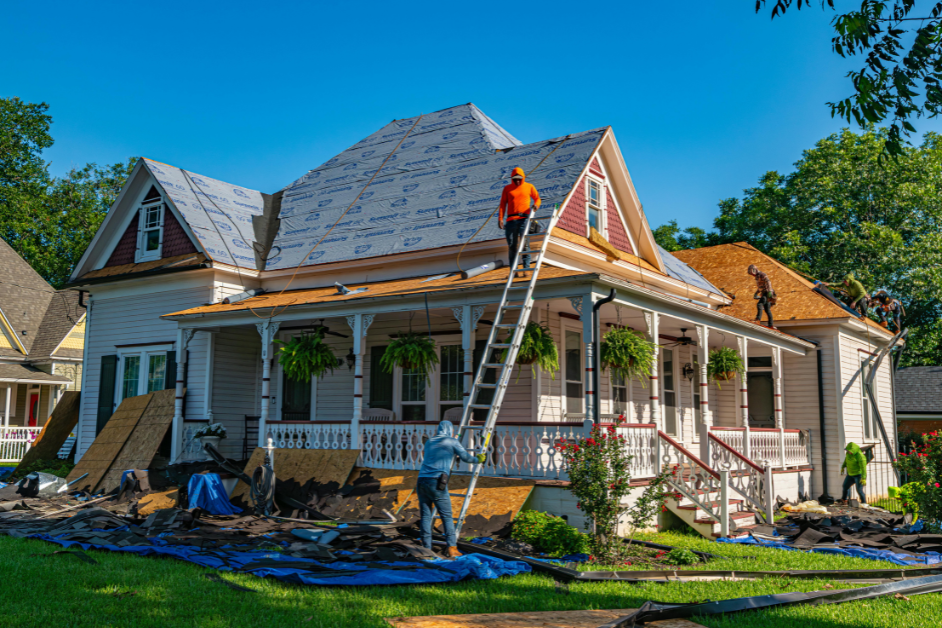
- Roof concerns
- Plumbing leaks may create a negative impression and affect value or lender requirements.
While a loose doorknob may seem insignificant, multiple maintenance issues can suggest a pattern of neglect.
2. The Condition of Neighboring Properties
One factor homeowners cannot directly control is the condition of nearby homes.
Properties located near:
- Vacant homes
- Neglected properties
- Excessive clutter
- Abandoned structures may experience downward pressure on value.
Appraisers evaluate not only the subject property but also the surrounding neighborhood.
3. Home Improvements Don’t Always Add Dollar-for-Dollar Value
Many homeowners assume that every dollar spent on improvements automatically increases value.
Unfortunately, that’s not always true.
For example:
- A $50,000 kitchen remodel may not increase value by $50,000.
- Highly customized features may appeal to some buyers but not others.
- Luxury upgrades may exceed neighborhood expectations.
Appraisers analyze whether improvements contribute to market value based on buyer demand and comparable sales.
4. The Local Real Estate Market
Even a well-maintained home can be affected by broader market conditions.
Factors include:
- Rising interest rates
- Housing inventory levels
- Buyer demand
- Economic conditions
- Seasonal market trends
When home sales slow or inventory increases, property values may face downward pressure.
5. Square Footage Discrepancies
Homeowners are often surprised when public records and actual measurements differ.
Appraisers carefully verify:
- Gross living area
- Finished square footage
- Room counts
An error in square footage can significantly affect value calculations.
Even small discrepancies can influence comparisons with similar properties.
6. Location Within the Neighborhood
Two nearly identical homes can have different values based solely on location.
Examples include:
- Cul-de-sac locations
- Corner lots
- Waterfront views
- Golf course frontage
- Busy streets
- Proximity to commercial properties
Location remains one of the strongest drivers of real estate value.
7. Permits and Unpermitted Improvements
Adding living space, finishing a basement, or building an addition may increase enjoyment of a home, but lenders and appraisers often consider whether improvements were completed with proper permits when required.
Unpermitted work may:
- Create safety concerns
- Limit value recognition
- Complicate financing
Homeowners should maintain records of significant improvements whenever possible.
8. Appraisal Comparable Sales
The selection of comparable sales often has a major impact on value.
Appraisers generally seek homes that are:
- Similar in size
- Similar in age
- Similar in condition
- Located nearby
- Recently sold
When few comparable sales exist, the valuation process becomes more challenging.
This is particularly common in rural areas and unique properties.
9. Curb Appeal Matters More Than Many Think
First impressions matter.
While appraisers focus on objective analysis, the property’s overall appearance still contributes to the evaluation.
Simple improvements such as:
- Landscaping
- Fresh mulch
- Clean walkways
- Pressure washing
- Well-maintained exterior surfaces
can help present the property in its best light.
10. Health and Safety Issues
Certain conditions may trigger lender concerns regardless of value.
Examples include:
- Exposed wiring
- Missing stair railings
- Structural issues
- Water intrusion
- Mold concerns
- Damaged roofing
For some loan programs, repairs may be required before closing can occur.
A Perspective From Mortgage Lending
During my years in mortgage lending and underwriting, many borrowers were surprised when an appraisal came in lower than expected.
Often, homeowners focused on what they had invested in the property rather than what the market was willing to pay. An appraisal is not based on emotional attachment or renovation costs alone. It is based on market data, comparable sales, property condition, and overall market demand.
Understanding how appraisers evaluate homes can help borrowers set realistic expectations and avoid unnecessary frustration during the mortgage process.
Final Thoughts
A home appraisal involves much more than measuring square footage and reviewing recent sales. Factors such as maintenance, neighborhood conditions, market trends, location, permits, and comparable properties can all influence the final opinion of value.
Whether you’re buying, selling, or refinancing, taking time to understand the appraisal process can help you prepare for a smoother transaction and reduce the chances of surprises.