
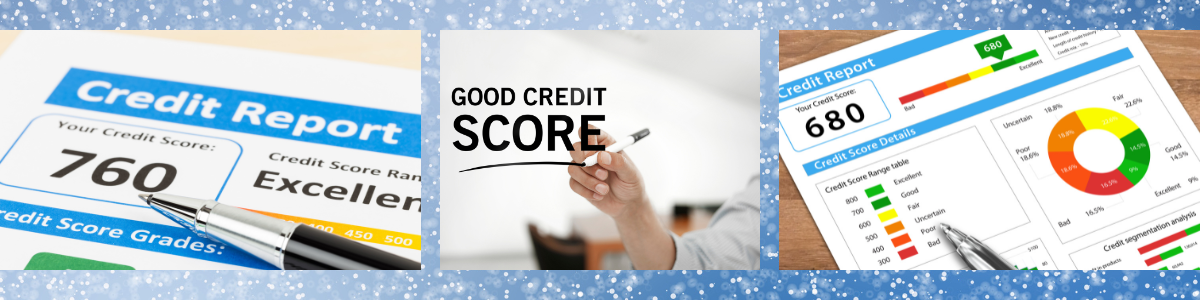
What Is Considered A Good Credit Score and Why It Matters
 Your credit score is a numerical representation of your creditworthiness, and it plays a significant role in your financial life. A good credit score can help you secure loans, credit cards, and even lower interest rates. But what exactly is considered a good credit score, and why does it matter?
Understanding Credit Scores and Their Importance
Credit scores are a three-digit number that ranges from 300 to 850. The higher the score, the better your creditworthiness.
A good credit score is typically considered to be 670 or above, very good 740-799, while an excellent score is 800 or above. Your credit score is important because it can impact your ability to get approved for loans, credit cards, and even rental applications. It can also affect the interest rates you receive, which can have a significant impact on your finances over time.
What is Considered a Good Credit Score?
 A good credit score is typically considered to be 670 or above. This means that you have a solid credit history and are considered a low-risk borrower. With a good credit score, you are more likely to be approved for loans and credit cards, and you may also receive better interest rates. It’s important to maintain a good credit score because it can impact your financial health in many ways, from getting approved for a mortgage to securing a job.
How Your Credit Score Affects Your Financial Health
Your credit score is a key factor in determining your financial health. A good credit score can help you secure loans and credit cards with favorable terms, while a poor credit score can make it difficult to get approved for credit or may result in higher interest rates.
Your credit score can also impact your ability to rent an apartment, get a job, or even qualify for insurance. It’s important to monitor your credit score regularly and take steps to improve it if necessary to maintain your financial health.
Tips for Improving Your Credit Score
 Improving your credit score can take time and effort, but it’s worth it in the long run. One of the first steps you can take is to pay your bills on time and in full each month. This shows lenders that you are responsible and can manage your finances well.
Another tip is to keep your credit utilization low, meaning you don’t use too much of your available credit. Finally, check your credit report regularly for errors and dispute any inaccuracies you find. These small steps can add up to a big improvement in your credit score over time.
The Benefits of Maintaining Your Credit Score
Maintaining a good credit score can have a significant impact on your financial health. A good credit score can make it easier to get approved for loans, credit cards, and even rental applications. It can also lead to lower interest rates and better terms on loans and credit cards, saving you money in the long run.
Additionally, your credit score can improve your chances of getting a job or renting an apartment, as some employers and landlords may check your credit history as part of their screening process. Overall, a good credit score is an important factor in achieving financial stability and success.
Your credit history is one of the main objectives for your financial position. You need this in almost every part of your life, as mentioned above.
Having reviewed thousands of mortgage loan financial history applications, the final approval does not come without an acceptable credit history or score. True with normal bank loans, such as buying a car or an installment loan for other purposes.
Your Credit History And Your Loan Dreams
Check Your Credit