A Budget For Living Paycheck to Paycheck- Tips for Creating One
Living paycheck to paycheck can feel overwhelming. You may know you should have a budget, but when every dollar already has a job, budgeting can seem pointless—or even discouraging. The truth is, budgeting while living paycheck to paycheck requires a different approach. It’s not about perfection or restriction. It’s about control, clarity, and little progress that adds up over time.
This guide will show you how to create a realistic budget that works with your situation, not against it.
Why Budgeting Feels So Hard When Money Is Tight
Traditional budgeting advice often assumes extra money exists. When it doesn’t, common challenges include:
- Income that barely covers essentials
- Rising costs for food, housing, and utilities
- Unexpected expenses that derail plans
- Mental exhaustion from constantly “doing the math.”
If budgeting hasn’t worked for you before, it’s not a failure; it’s a sign the method didn’t match your reality.
The Biggest Budgeting Mistake People Make
 The most common mistake is trying to cut everything at once.
Extreme budgeting:
- Creates frustration
- Feels punishing
- It is nearly impossible to sustain
A paycheck-to-paycheck budget must focus on stability first, not aggressive savings goals that cause burnout.
Step 1: Start With What You Actually Spend
Before cutting expenses, you need clarity.
Do this first:
- Track every expense for 30 days
- Include cash, debit, and subscriptions
- Be honest, this is judgment-free
This step alone often reveals:
- Small leaks (subscriptions, convenience spending)
- Patterns you didn’t notice
- Areas where change is possible without pain
Step 2: Separate Needs From Wants (Gently)
Instead of eliminating wants, simply prioritize needs first.
Needs usually include:
- Housing- whether paying a house payment or rent, you must have a place to live that is suitable for your family. That includes taxes/insurance/condo fees, etc., if applicable.
- Utilities- this is something you cannot be without, no reminder needed.
- Groceries- this is the same as above and will save you from eating out $$$s.
- Transportation- necessity without further comment.
- Insurance- car/housing/life, and all things that keep you secure, is the worst comes to worst.
Wants may include:
- Dining out – you are aware that dining out can get expensive, especially if you have a family.
- Streaming services- you can take the low road and use a ROKU. It is much cheaper.
- Non-essential shopping- when you want to get out of the house, it might be wise to go to the park, or somewhere where there are no shopping sites. It is easy while browsing the stores to find some you have wanted for a long time and buy it.
The goal isn’t to remove all wants, it’s to control them intentionally.
Step 3: Use a Simple, Flexible Budget Method
 A strict zero-based budget can feel unrealistic when income is tight. Instead, try a “lite” version.
A realistic paycheck-to-paycheck approach:
- Assign money to essentials first
- Leave a small buffer for flexibility
- Accept that some months won’t be perfect
This approach allows adjustment instead of failure.
Step 4: Budget One Category at a Time
Trying to fix everything at once leads to frustration.
Focus on:
- One category this month (groceries, eating out, or utilities)
- Small, achievable changes
- Progress, not perfection
Once one area improves, move to the next.
Step 5: Plan for Irregular Expenses
Unexpected costs are often what break a budget.
Examples include:
- Car repairs
- Medical co-pays
- Annual or quarterly bills
Solution:
Create a small “buffer” category; even $20–$30 per paycheck helps reduce stress.
Step 6: Stop Treating Savings as All-or-Nothing
If you can’t save hundreds, save something.
- $5 or $10 counts
- Consistency matters more than amount
- Emergency funds are built slowly
Saving small amounts builds the habit—and confidence.
Step 7: Review Weekly, Not Monthly
A weekly check-in keeps things manageable.
Ask yourself:
- What worked this week?
- What needs adjusting?
- Did anything unexpected come up?
Short, regular reviews prevent overwhelm.
What to Do If the Budget Still Doesn’t Work
If you’ve adjusted spending and it’s still tight, the issue may not be budgeting; it may be income pressure. It is often hard to go out and get a second job when you have a family with children. However, there are many online opportunities available. However, be careful, as those who are offering you something great often have “great prices.”
Always look at the reviews of anything you start to do online. The old saying that it takes money to make money is not totally dead.
Consider:
- Temporary side income- try surveys online
- Negotiating bills
- Seeking assistance programs
- Reducing one major expense, if possible
A budget is a tool, not a cure for every financial challenge.
A Healthier Mindset for Budgeting
Budgeting while living paycheck to paycheck requires grace.
Remember:
- Your worth is not measured by your bank balance
- Progress is not linear
- Every adjustment builds skill and confidence
Budgeting is not about control; it’s about empowerment.
Final Thoughts
If you’re living paycheck to paycheck, budgeting isn’t about doing everything right. It’s about doing what’s possible and consistently. Every effort counts toward the final goal.
This is What A Realistic Budget Will Produce:
- Reduces stress
- Creates awareness
- Builds momentum over time
Small steps taken today lead to a stronger financial footing tomorrow.
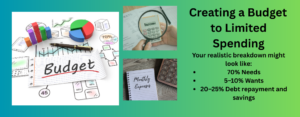
Create a Budget to Limit Your Spending
How To Budget With Simple Solutions
How To Stop Living Paycheck to Paycheck